
Water is the foundation of life. From improving digestion to boosting energy levels, proper hydration plays a crucial role in maintaining overall health. But what many people overlook is when they should drink water.
Drinking water at the right time can significantly enhance its benefits—helping with weight loss, detoxification, metabolism, and even skin health. In this comprehensive guide, we’ll explore the best times to drink water for maximum health benefits, backed by science and practical tips.
Why Timing Matters When Drinking Water
Most people focus on how much water they drink, but when you drink water is equally important.
Your body follows a natural rhythm (circadian cycle), and hydration needs fluctuate throughout the day. Drinking water at strategic times can:
Improve digestion
Boost metabolism
Enhance brain function
Support detoxification
Prevent fatigue and headaches
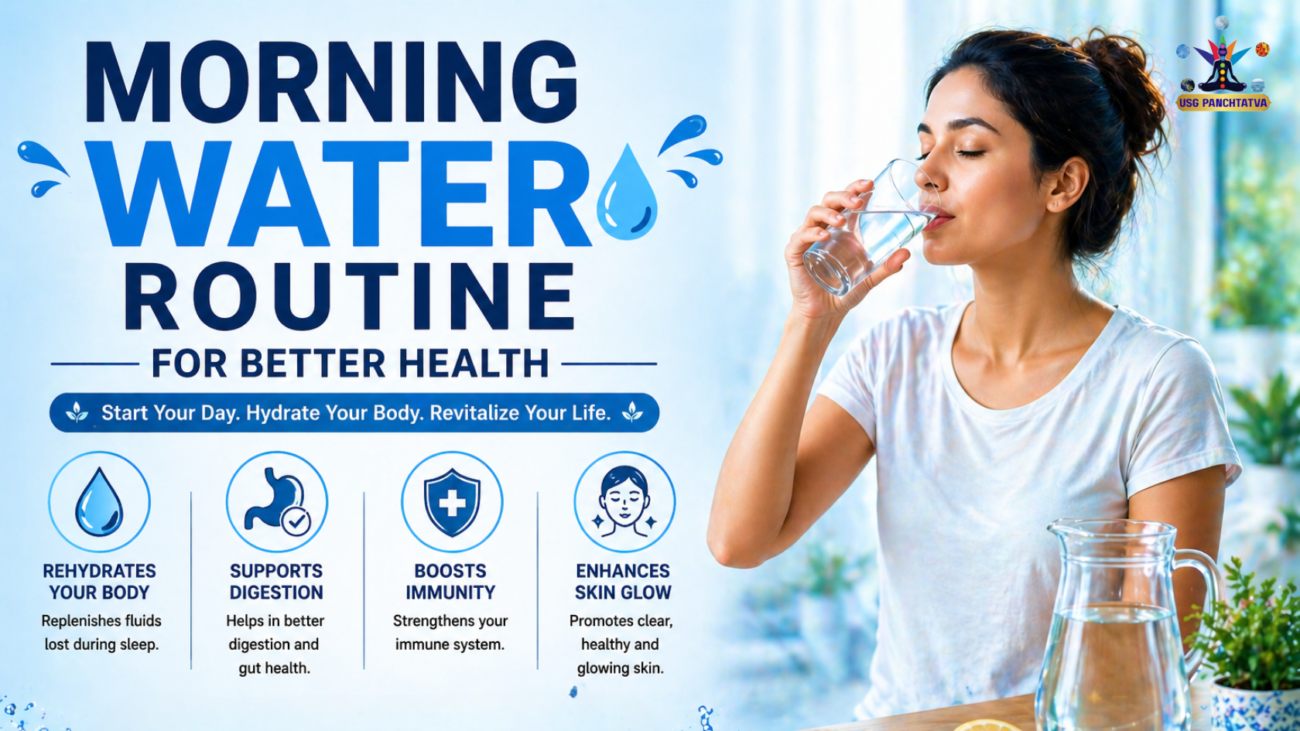
1. Drinking Water First Thing in the Morning (Empty Stomach)
Why It’s Important
Drinking water immediately after waking up is one of the best habits you can adopt.
After 6–8 hours of sleep, your body becomes dehydrated. Drinking water in the morning helps:
Flush out toxins
Activate internal organs
Improve metabolism
Boost energy levels
Benefits
Supports natural detox process
Improves bowel movement
Enhances skin glow
Helps in weight loss
How Much to Drink
1–2 glasses (250–500 ml)
Pro Tip
You can add:
Lemon 🍋 for detox
Honey for energy
Warm water for better digestion
2. Drinking Water Before Meals
Why It’s Effective
Drinking water 30 minutes before meals can help control appetite and improve digestion.
Benefits
Helps in weight management
Prevents overeating
Prepares the stomach for digestion
Science Insight
Studies show that drinking water before meals can reduce calorie intake and promote weight loss.
How Much
1 glass (200–300 ml) before meals
3. Drinking Water After Meals (But Not Immediately)
Common Mistake
Many people drink water immediately after eating, which can dilute digestive juices.
Ideal Timing
Wait at least 30–45 minutes after meals
Benefits
Better digestion
Improved nutrient absorption
Prevents bloating
4. Drinking Water Before Exercise
Why It Matters
Hydration is critical before physical activity to maintain performance and prevent dehydration.
Benefits
Improves stamina
Prevents muscle cramps
Enhances endurance
How Much
1–2 glasses 30 minutes before exercise
5. Drinking Water During Exercise
Importance
During workouts, your body loses water through sweat.
Benefits
Maintains body temperature
Prevents fatigue
Keeps energy levels stable
Tip
Take small sips every 15–20 minutes
6. Drinking Water After Exercise
Why It’s Essential
After exercise, your body needs to replenish lost fluids.
Benefits
Faster recovery
Muscle repair
Prevents dehydration
How Much
1–2 glasses depending on intensity
7. Drinking Water Before Bed
Should You Drink Water at Night?
Yes—but in moderation.
Benefits
Prevents dehydration overnight
Helps in detoxification
Supports heart health
Caution
Avoid drinking too much to prevent frequent urination during sleep.
Ideal Amount
1 small glass (100–200 ml)
8. Drinking Water When You Feel Hungry
Hidden Truth
Sometimes, thirst is mistaken for hunger.
Benefits
Prevents unnecessary snacking
Supports weight loss
Improves metabolism
Tip
Drink a glass of water and wait 10 minutes before eating.
9. Drinking Water When You Feel Tired
Why It Helps
Fatigue is often caused by dehydration.
Benefits
Boosts energy
Improves focus
Enhances brain function
10. Drinking Water When You Are Sick
Importance
Hydration becomes even more critical during illness.
Benefits
Helps fight infections
Flushes toxins
Prevents dehydration
How Much Water Should You Drink Daily?
There’s no one-size-fits-all answer, but general guidelines include:
Men: 3–3.7 liters/day
Women: 2–2.7 liters/day
Factors Affecting Water Intake
Climate
Activity level
Age
Health condition
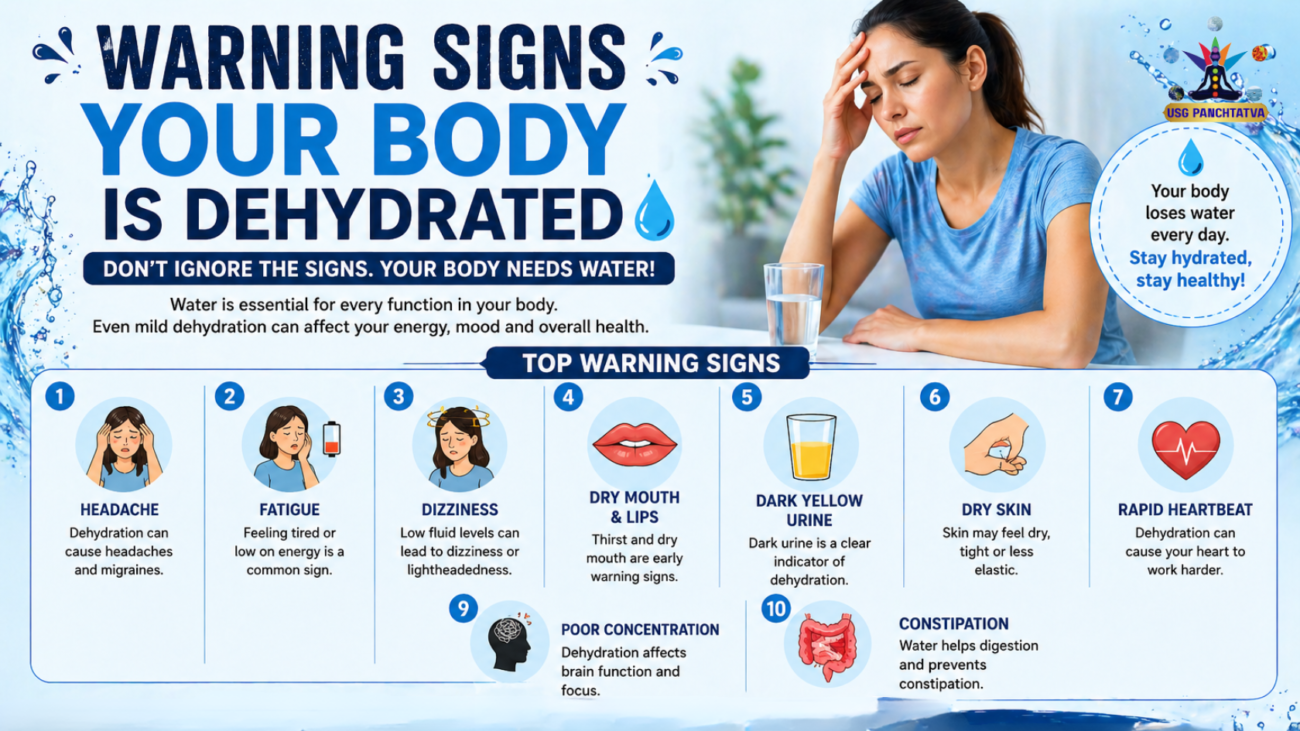
Signs You Are Not Drinking Enough Water
Watch out for these symptoms:
Dry mouth
Headaches
Fatigue
Dark urine
Dizziness
Common Mistakes While Drinking Water
1. Drinking Too Much at Once
Can overload kidneys
2. Drinking Cold Water Frequently
May affect digestion
3. Ignoring Thirst Signals
Leads to dehydration
4. Drinking Water Only When Thirsty
By then, you are already dehydrated
Best Type of Water to Drink
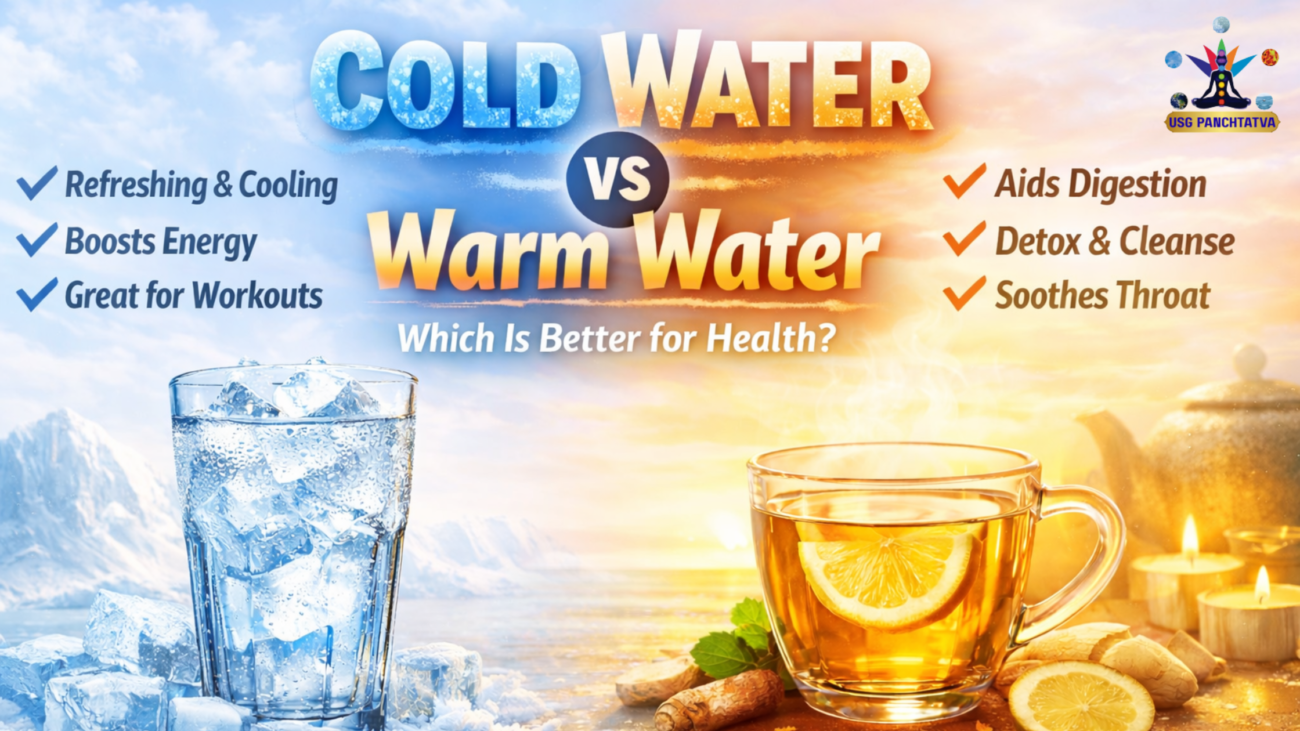
1. Warm Water
Improves digestion
Helps in detox
2. Room Temperature Water
Best for daily hydration
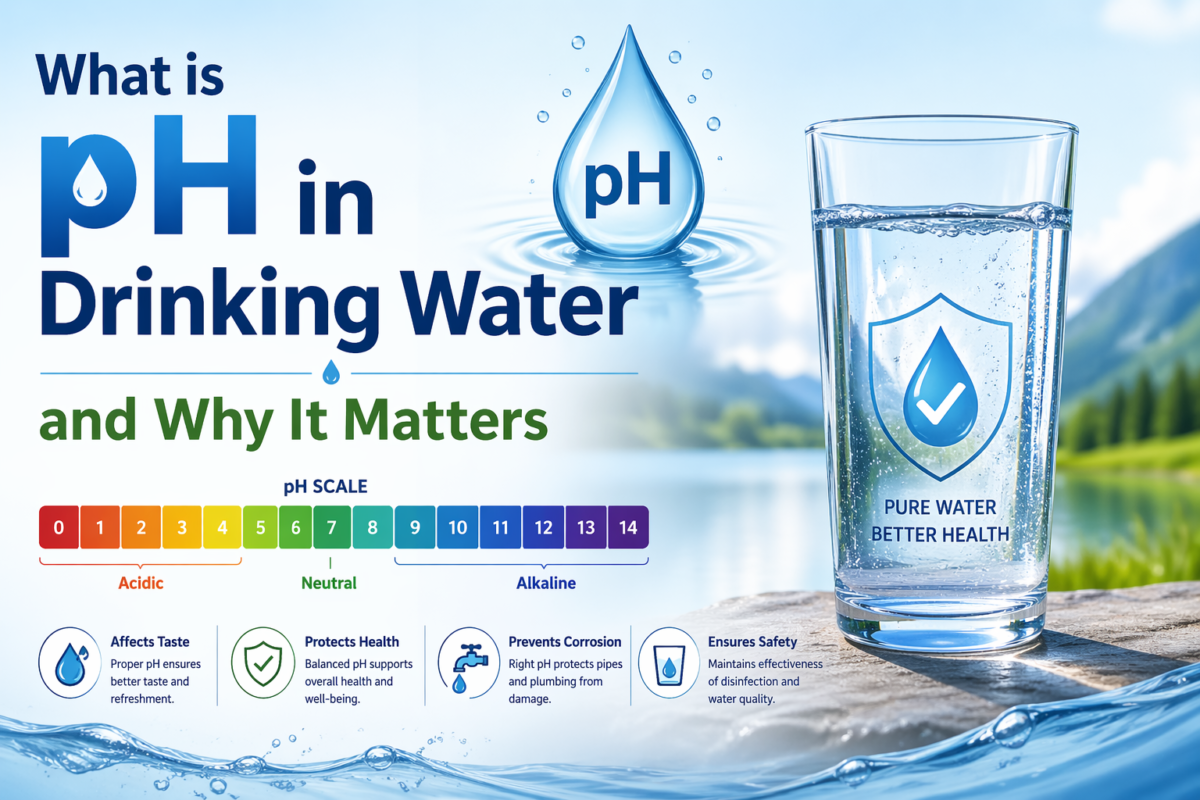
3. Alkaline Water
May help balance pH levels
Supports detox (as per some studies)
Hydration Tips for Maximum Health Benefits
Start your day with water
Carry a water bottle
Set reminders
Eat water-rich foods (fruits & vegetables)
Avoid sugary drinks
Water Drinking Schedule (Daily Routine)
Morning
1–2 glasses after waking
Before Meals
1 glass before each meal
Afternoon
Stay hydrated regularly
Evening
Drink moderately
Night
1 small glass before bed
FAQs (SEO Optimized)
What is the best time to drink water?
Morning on an empty stomach is considered the best time.
Can drinking water help in weight loss?
Yes, it reduces appetite and boosts metabolism.
Is it bad to drink water after meals?
Not immediately—wait 30 minutes.
How much water should I drink daily?
Around 2–3 liters depending on your body and activity level.
Conclusion
Drinking water is not just about staying hydrated—it’s about timing it right. By following a proper water drinking schedule, you can unlock powerful health benefits like improved digestion, better skin, enhanced energy, and effective weight management.
Start small:
Drink water in the morning
Stay hydrated throughout the day
Avoid drinking at the wrong times
Consistency is the key. Your body will thank you.