
Best Drinking Water for Children’s Health
Children’s health depends on proper nutrition, hygiene, and one of the most important yet often overlooked factors—safe drinking water. Since children’s bodies are still developing, they are more vulnerable to harmful contaminants present in water.
Providing the best drinking water for children’s health is essential to support their growth, immunity, brain development, and overall well-being.
In this guide, we will explore what makes water safe for children, the best types of drinking water, and how parents can ensure their kids stay healthy and properly hydrated.
Why Safe Drinking Water is Important for Children
Water plays a vital role in a child’s body. It helps in maintaining body temperature, supporting digestion, and transporting nutrients.
Children are more sensitive to contaminants because:
Their immune system is still developing
Their organs are more vulnerable
They consume more water relative to body weight
Unsafe water can lead to infections, developmental issues, and long-term health problems.
What Makes Drinking Water Safe for Kids
The best drinking water for children should meet the following criteria:
Free from bacteria and viruses
Low in harmful chemicals
Balanced mineral content
Neutral or slightly alkaline pH
Clean, odorless, and tasteless
Water that meets these conditions supports healthy growth and reduces the risk of illness.
Common Contaminants That Affect Children
Understanding what to avoid is as important as knowing what to choose.
Bacteria and Viruses
Can cause diarrhea, vomiting, and infections.
Heavy Metals
Lead and arsenic can affect brain development and nervous system function.
Chemicals and Pesticides
May disrupt hormones and cause long-term health issues.
Excess Fluoride
Can cause dental problems if present in high amounts.
Types of Drinking Water for Children
1. Filtered Water
Filtered water is one of the safest options for children. It removes harmful contaminants while maintaining essential minerals.
Benefits include:
Safe for daily consumption
Improved taste
Reduced health risks
2. RO Purified Water
Reverse Osmosis water removes dissolved impurities and heavy metals.
Suitable for areas with high TDS water.
However, it may remove essential minerals, so mineral balancing is recommended.
3. UV Purified Water
UV purification kills bacteria and viruses without affecting mineral content.
It is effective in areas where microbial contamination is common.
4. Mineral-Enriched Water
Water that contains essential minerals like calcium and magnesium is beneficial for children.
It supports bone growth, muscle function, and hydration.
5. Alkaline Water (Moderate Use)
Alkaline water has a slightly higher pH and contains minerals.
It may support hydration and digestion but should be given in moderation to children.
Essential Minerals for Children’s Health
Children need specific minerals in water for proper development.
Calcium
Supports strong bones and teeth.
Magnesium
Helps in muscle function and energy production.
Potassium
Maintains fluid balance and supports heart health.
Sodium (in small amounts)
Important for hydration and nerve function.
Balanced mineral intake through water contributes to overall health.
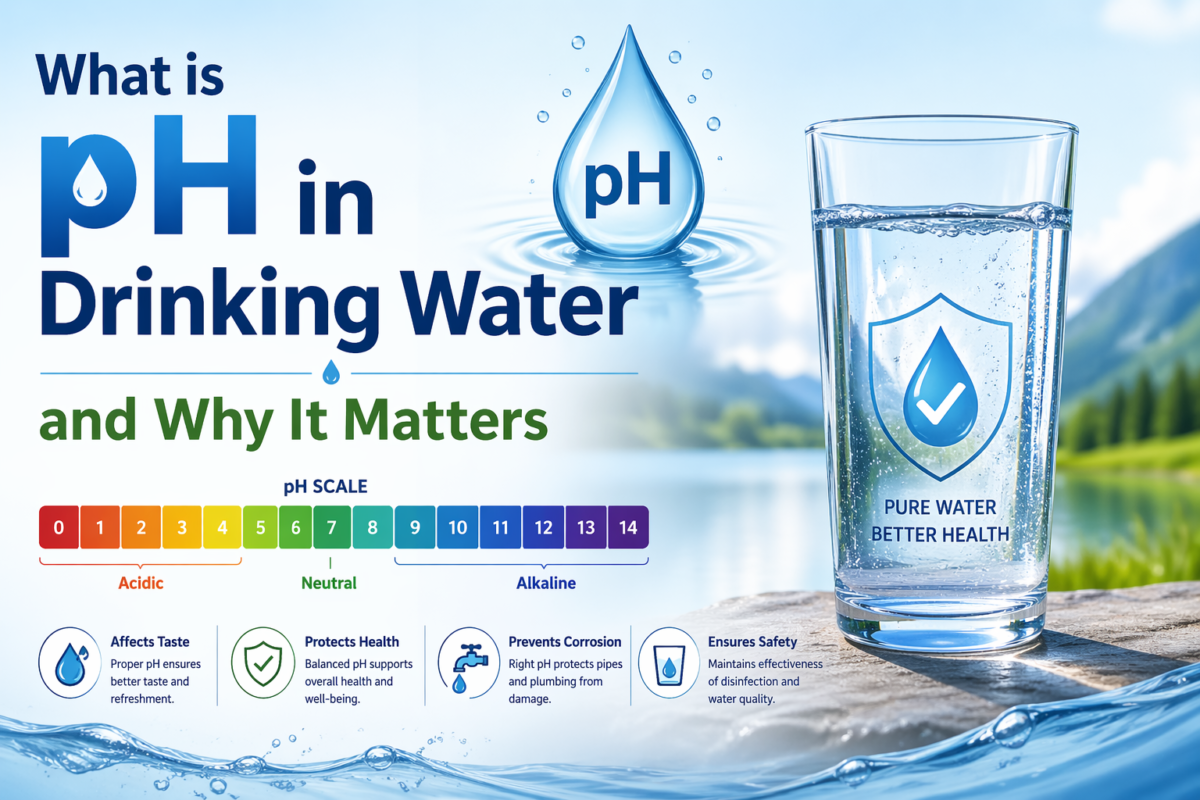
Ideal pH Level for Children’s Drinking Water
The pH level indicates whether water is acidic or alkaline.
0 \leq pH \leq 14
For children, water with pH between 7 and 8.5 is considered safe and suitable.
Signs of Unsafe Drinking Water for Kids
Parents should watch for signs such as:
Frequent stomach infections
Bad taste or smell
Cloudy appearance
Skin irritation
These may indicate contamination.
How Much Water Should Children Drink
Water requirements depend on age and activity level.
Toddlers: 1–1.5 liters
School-age children: 1.5–2 liters
Active kids: More depending on activity
Proper hydration supports energy, focus, and overall health.
Benefits of Proper Hydration in Children
Drinking safe water regularly helps:
Improve concentration and memory
Support digestion
Maintain energy levels
Prevent dehydration
Promote healthy skin
Best Practices for Safe Drinking Water
Parents can ensure safe water by following simple steps.
Use a reliable water purifier
Clean water storage containers regularly
Avoid storing water for long periods
Test water quality periodically
Ensure proper hygiene
Choosing the Right Water Purifier for Kids
A good water purifier should:
Remove bacteria and viruses
Eliminate harmful chemicals
Maintain mineral balance
Combination systems like RO + UV + UF are often recommended for complete purification.
Role of Advanced Water Systems
Modern water systems not only purify water but also improve its quality.
They can:
Add essential minerals
Improve taste
Enhance hydration
This makes water more beneficial for children’s health.
Common Myths About Drinking Water for Kids
Myth: Boiled water is always safe
Reality: It kills bacteria but does not remove chemicals.
Myth: Clear water is safe
Reality: Many contaminants are invisible.
Myth: Bottled water is always better
Reality: Quality varies and may not always be safe.
Frequently Asked Questions
What is the best drinking water for children
Clean, filtered water with balanced minerals is best.
Is RO water safe for kids
Yes, but it should contain essential minerals.
Can children drink alkaline water
Yes, in moderate amounts.
How can I check water quality at home
Use testing kits or lab testing services.
Conclusion
Providing the best drinking water for children’s health is one of the most important responsibilities for parents. Clean, safe, and mineral-balanced water supports growth, immunity, and overall development.
While there are different types of water available, the key is to ensure that the water is free from harmful contaminants and contains essential minerals.
Investing in a reliable water purification system can make a significant difference in your child’s health and future.