
How Water Pollution Affects Your Health
Water is essential for life, yet it is one of the most polluted natural resources today. Water pollution has become a serious global issue, affecting millions of people and leading to various health problems.
While many people focus on visible cleanliness, polluted water often contains harmful contaminants that are invisible but dangerous. Understanding how water pollution affects your health is crucial for protecting yourself and your family.
In this article, we will explore the causes of water pollution, its impact on human health, and the steps you can take to ensure safe drinking water.
What is Water Pollution
Water pollution occurs when harmful substances enter water bodies such as rivers, lakes, groundwater, or tap water systems.
These pollutants can come from:
Industrial waste
Agricultural chemicals
Sewage and wastewater
Plastic and garbage
Chemical spills
Polluted water becomes unsafe for drinking, cooking, and daily use.
Types of Water Pollution
Understanding different types of water pollution helps in identifying health risks.
Biological Pollution
Caused by bacteria, viruses, and parasites.
Common sources include sewage and contaminated waste.
Chemical Pollution
Includes pesticides, fertilizers, heavy metals, and industrial chemicals.
Physical Pollution
Involves dirt, sediments, and plastic waste that affect water clarity.
Thermal Pollution
Occurs when industrial processes release hot water, affecting ecosystems.
How Water Pollution Enters Drinking Water
Pollutants can enter drinking water through:
Leaking sewage systems
Industrial discharge
Agricultural runoff
Improper waste disposal
Groundwater contamination
Even treated water may sometimes contain harmful substances if purification is not effective.
Health Effects of Water Pollution
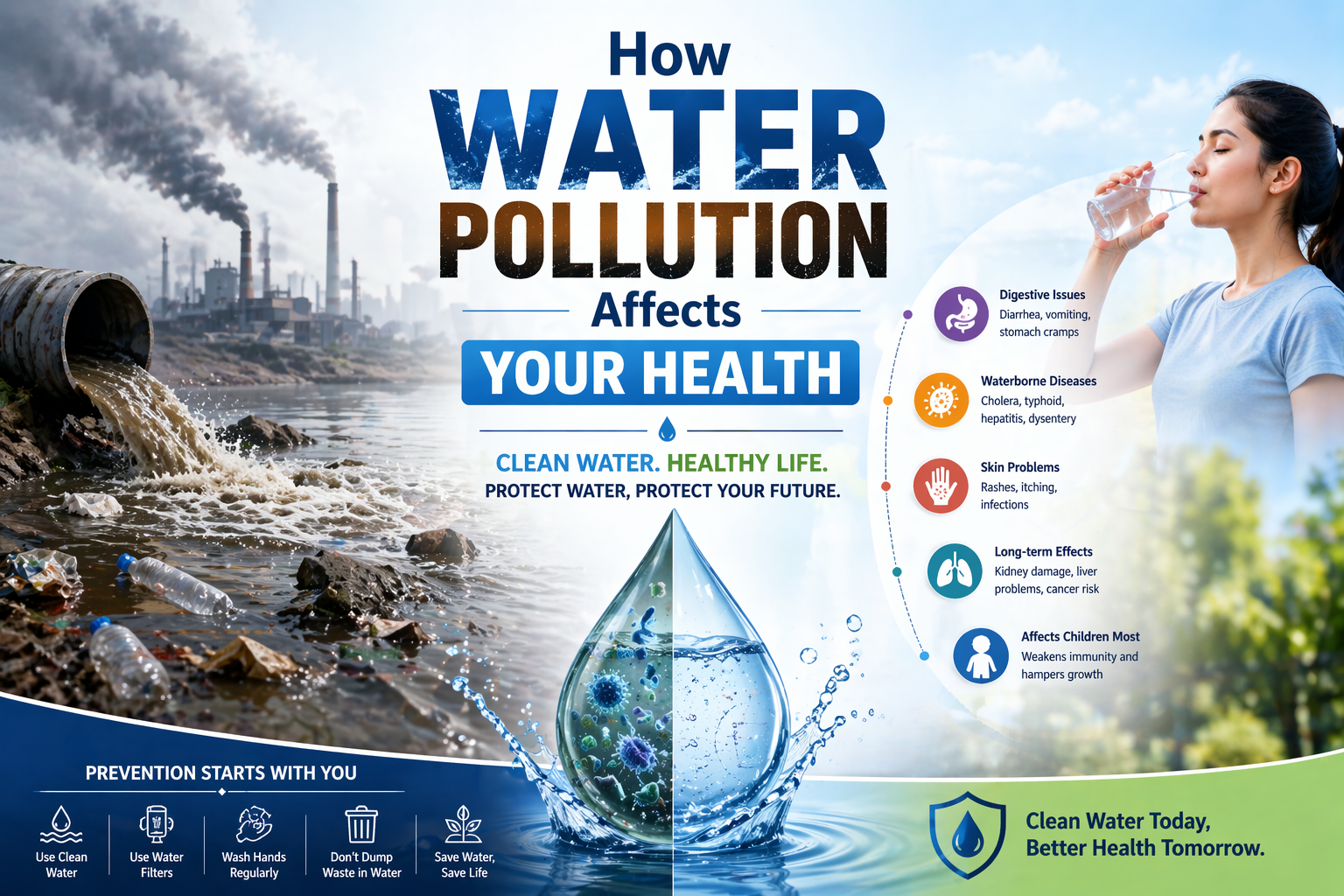
1. Waterborne Diseases
One of the most immediate effects of polluted water is the spread of diseases.
These include:
Diarrhea
Cholera
Typhoid
Dysentery
These diseases are caused by bacteria and viruses present in contaminated water.
2. Digestive System Problems
Polluted water can disrupt the digestive system.
It may lead to:
Stomach infections
Nausea
Vomiting
Indigestion
Long-term exposure weakens gut health.
3. Damage to the Immune System
Regular consumption of polluted water weakens the immune system.
The body becomes more vulnerable to infections and diseases.
4. Skin and Hair Issues
Using polluted water can affect the skin and hair.
Common problems include:
Rashes
Allergies
Dryness
Hair fall
Chemicals and toxins damage the skin barrier.
5. Neurological Disorders
Heavy metals such as lead and mercury present in polluted water can affect the nervous system.
This may result in:
Memory loss
Behavioral changes
Reduced cognitive function
Children are especially vulnerable to these effects.
6. Kidney and Liver Damage
Organs like the liver and kidneys are responsible for filtering toxins.
Polluted water increases their workload, leading to:
Kidney stones
Liver damage
Organ failure
7. Hormonal Imbalance
Certain chemicals in polluted water can disrupt hormones.
This may affect:
Metabolism
Reproductive health
Growth and development
8. Increased Risk of Cancer
Long-term exposure to toxic chemicals in water may increase the risk of cancer.
Substances like arsenic and industrial chemicals are known carcinogens.
9. Developmental Issues in Children
Children are more sensitive to water pollution.
Exposure to toxins can lead to:
Poor brain development
Learning difficulties
Growth problems
10. Mental Health Effects
Poor water quality can indirectly affect mental health.
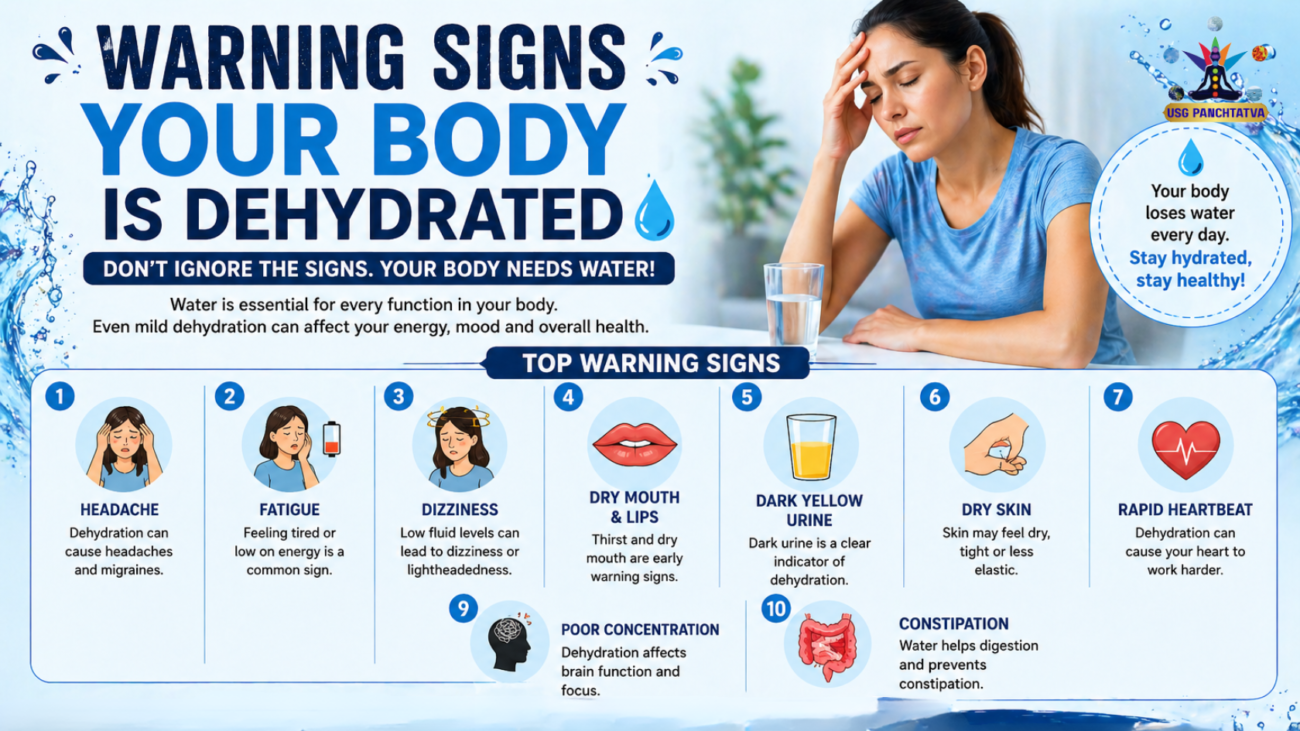
Dehydration and toxins can lead to:
Fatigue
Stress
Reduced focus
Why Water Pollution is Dangerous
Water pollution is dangerous because:
Contaminants are often invisible
Effects may take time to appear
Long-term exposure causes serious damage
It affects all age groups
Importance of Clean Drinking Water
Clean water is essential for maintaining good health.
It supports:
Proper digestion
Immune system function
Energy levels
Detoxification
Safe drinking water reduces the risk of diseases and improves overall well-being.
How to Identify Polluted Water
Some signs of water pollution include:
Bad smell
Unusual taste
Cloudy or discolored water
Frequent illness
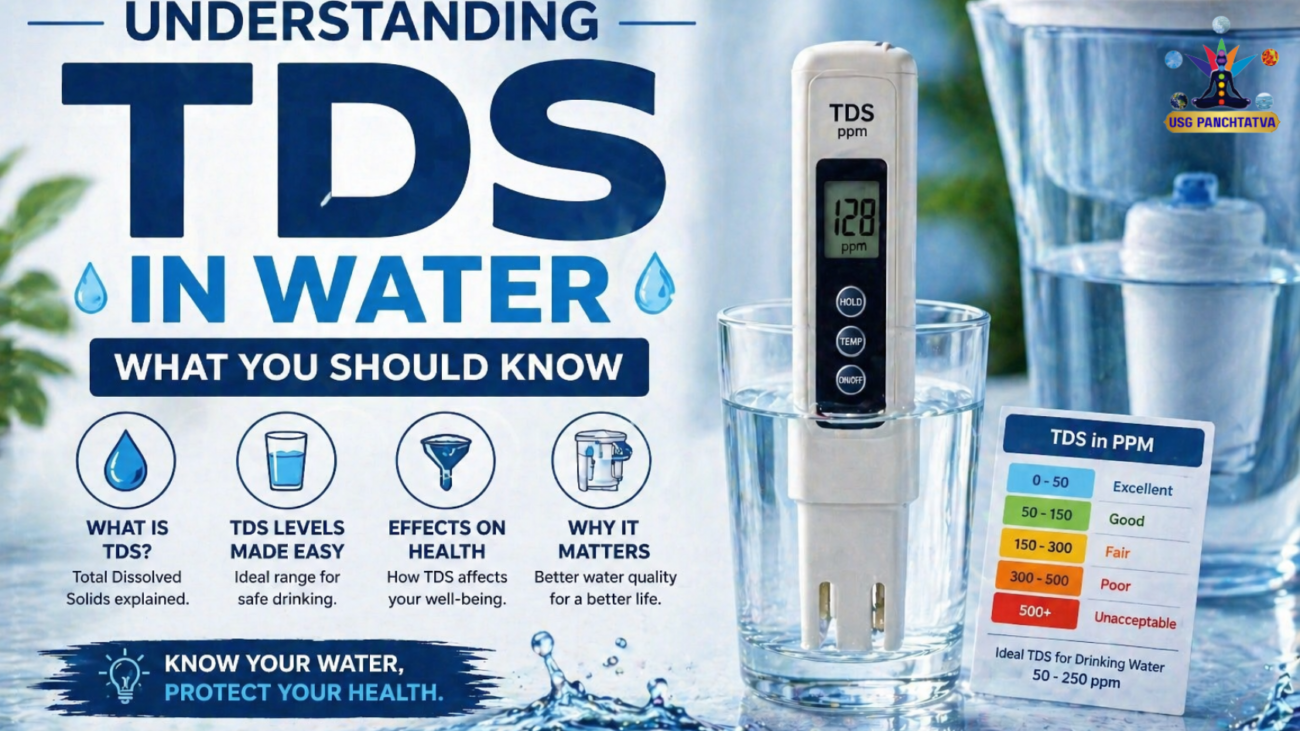
However, many contaminants cannot be seen, so testing is important.
Solutions to Prevent Water Pollution Effects
Use Water Purifiers
Modern water purifiers remove:
Bacteria and viruses
Chemicals
Heavy metals
Proper Waste Disposal
Avoid dumping waste into water sources.
Regular Water Testing
Check water quality to ensure safety.
Avoid Chemical Overuse
Limit the use of pesticides and fertilizers.
Use Advanced Water Systems
Modern systems ensure safe and high-quality drinking water.
Role of Technology in Safe Drinking Water
Advanced water purification systems provide:
Multi-stage filtration
Removal of harmful contaminants
Maintenance of essential minerals
These systems improve both safety and quality of water.
Tips for Protecting Your Health
Drink only purified water
Store water properly
Clean containers regularly
Stay hydrated
Avoid contaminated sources
Frequently Asked Questions
How does water pollution affect human health
It can cause infections, organ damage, and long-term diseases.
What diseases are caused by polluted water
Cholera, typhoid, diarrhea, and hepatitis are common.
Can polluted water cause long-term damage
Yes, it can affect organs and increase disease risk.
How can I ensure safe drinking water
Use proper purification systems and test water regularly.
Conclusion
Water pollution is a serious threat to human health. It affects the body in multiple ways, from minor infections to life-threatening diseases.
Understanding how water pollution affects your health is the first step toward prevention. By choosing clean and safe drinking water, maintaining hygiene, and using proper purification methods, you can protect yourself and your family.
Access to safe water is not just a necessity but a foundation for a healthy life.