
Water is essential for life—but did you know that the temperature of water you drink can impact your health?
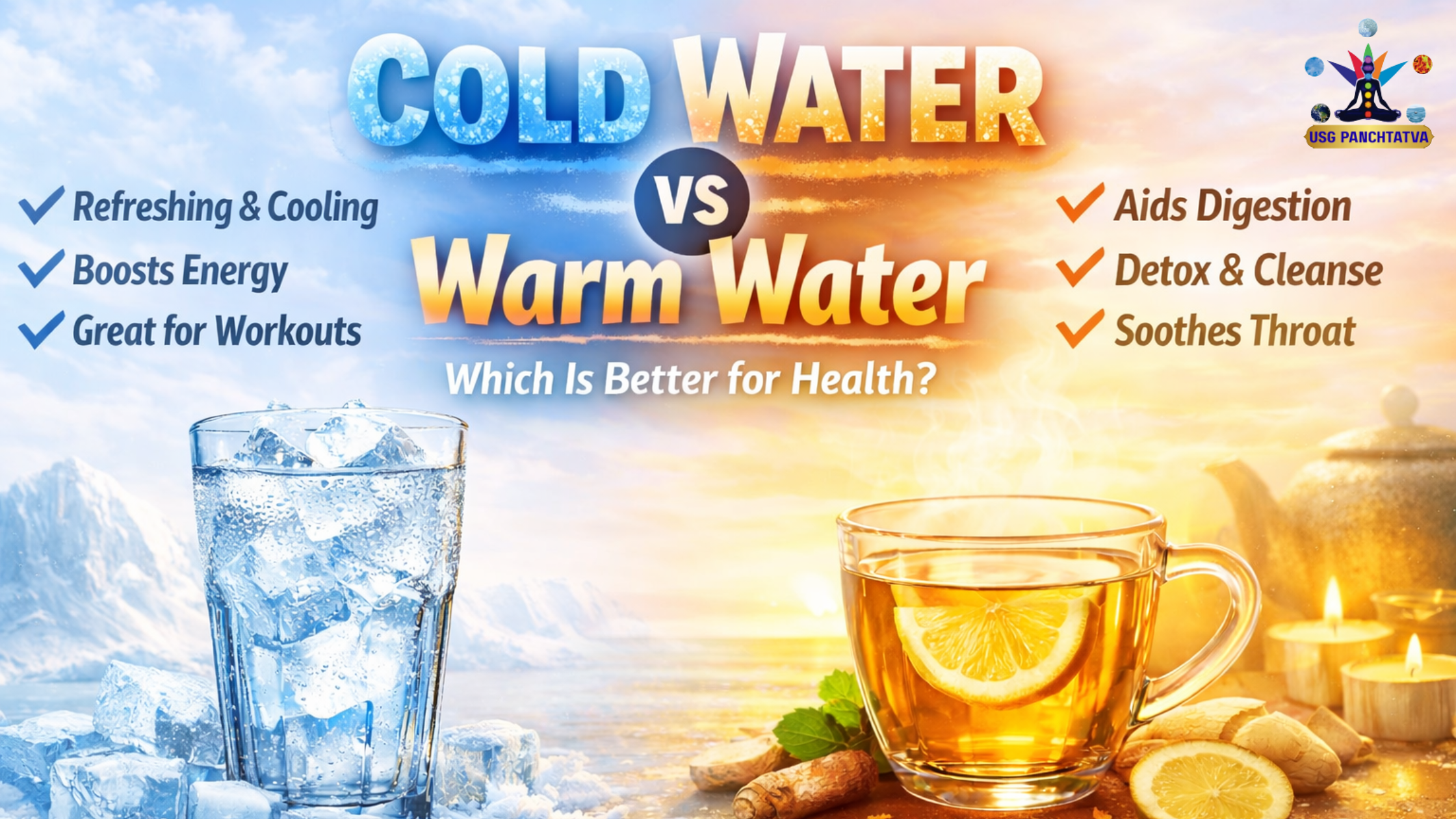
Many people debate whether cold water or warm water is better. Some prefer chilled water for refreshment, while others swear by warm water for digestion and detox. The truth is, both have their own benefits and ideal use cases.
In this detailed guide, we’ll break down cold water vs warm water, their benefits, drawbacks, and when you should choose each for maximum health benefits.
Understanding the Basics: Does Water Temperature Really Matter?
Yes, it does.
Your body works to maintain a stable internal temperature. When you drink water that’s too cold or too hot, your body must adjust, which can affect:
Digestion
Blood circulation
Metabolism
Energy levels
Benefits of Drinking Cold Water
Cold water (usually between 5°C–15°C) is refreshing and commonly consumed, especially in hot climates.
1. Instant Refreshment & Cooling Effect
Cold water helps lower body temperature quickly, making it ideal in hot weather.
Benefits:
Prevents heat exhaustion
Keeps body cool
Refreshes instantly
2. Improves Workout Performance
Athletes often prefer cold water during exercise.
Why?
Cold water helps regulate body temperature during intense workouts.
Benefits:
Enhances endurance
Reduces fatigue
Prevents overheating
3. Boosts Metabolism Slightly
Your body uses energy to warm cold water to body temperature.
Result:
Slight increase in calorie burn
(Note: The effect is minimal but still beneficial.)
4. Better Taste for Many People
Let’s be practical—cold water simply tastes better to many people, which encourages them to drink more.
Drawbacks of Cold Water
Cold water isn’t always the best choice.
1. Slows Digestion
Cold water can constrict blood vessels and slow down digestion.
2. May Cause Throat Irritation
Especially if consumed frequently or during illness.
3. Can Trigger Headaches
In some people, very cold water can cause “brain freeze.”
Benefits of Drinking Warm Water
Warm water (around 30°C–50°C) is widely recommended in traditional practices like Ayurveda.
1. Improves Digestion
Warm water helps break down food more efficiently.
Benefits:
Reduces bloating
Improves gut health
Supports smooth digestion
2. Helps in Detoxification
Warm water increases blood circulation and promotes sweating.
Benefits:
Flushes toxins
Cleanses the system
Supports liver function
3. Aids in Weight Loss
Warm water can boost metabolism and reduce fat accumulation.
Tip:
Drink warm water with lemon in the morning for better results.
4. Relieves Constipation
Warm water stimulates bowel movements.
Benefits:
Improves gut movement
Prevents constipation
5. Soothes Throat & Reduces Congestion
Warm water is highly effective during cold, cough, or throat irritation.
6. Improves Blood Circulation
Warm water helps expand blood vessels.
Benefits:
Better oxygen flow
Improved organ function
Drawbacks of Warm Water
While beneficial, warm water also has some limitations:
1. Less Refreshing
Not ideal during hot weather.
2. Overheating Risk
Very hot water can damage tissues or burn the throat.
3. Not Ideal During Intense Exercise
May increase body temperature instead of cooling it.
Cold Water vs Warm Water: Direct Comparison
| Factor | Cold Water | Warm Water |
|---|---|---|
| Digestion | Slower | Faster |
| Weight Loss | Mild effect | More effective |
| Detox | Less effective | More effective |
| Workout | Best choice | Not ideal |
| Hydration | Good | Good |
| Throat Health | May irritate | Soothing |
| Summer Use | Excellent | Moderate |
| Winter Use | Less suitable | Best |
Which Is Better for Health?
The Truth:
There is no one-size-fits-all answer.
👉 Cold water is better when:
You are exercising
It’s hot outside
You need instant refreshment
👉 Warm water is better when:
You want better digestion
You are detoxing
You have a cold or cough
You are starting your day
Best Time to Drink Cold Water
After workouts
During hot weather
When body temperature is high
Best Time to Drink Warm Water
Morning (empty stomach)
Before bedtime
After meals (after 30 minutes)
During illness
What Do Experts Say?
Modern science and traditional medicine both support the idea that:
Warm water is better for digestion
Cold water is better for cooling the body
Ayurveda strongly recommends warm or room-temperature water for daily consumption.
Common Myths About Water Temperature
Myth 1: Cold Water Causes Fat Gain
❌ False – It doesn’t directly cause fat gain.
Myth 2: Warm Water Melts Fat
❌ Partially true – It supports metabolism but doesn’t directly burn fat.
Myth 3: Cold Water Is Harmful
❌ Not always—it depends on timing and situation.
Practical Tips for Daily Life
Start your day with warm water
Drink cold water after exercise
Avoid very cold water during meals
Prefer lukewarm water for daily use
Ideal Strategy (Best of Both Worlds)
To maximize benefits:
Morning
Warm water
Afternoon (Hot Weather)
Cold or normal water
Workout
Cold water
Night
Warm water
FAQs (SEO Optimized)
Is warm water better than cold water?
Warm water is better for digestion, but cold water is useful for cooling and workouts.
Can I drink cold water daily?
Yes, but avoid it during meals and illness.
Which water is best for weight loss?
Warm water is generally more effective.
Is cold water bad for digestion?
It can slow digestion slightly if consumed during meals.
Conclusion
Both cold and warm water have their own advantages. Instead of choosing one over the other, the smartest approach is to use them strategically based on your body’s needs and timing.
Choose warm water for digestion, detox, and daily health
Choose cold water for hydration, cooling, and workouts
Balance is key. Listen to your body, and adjust accordingly.