

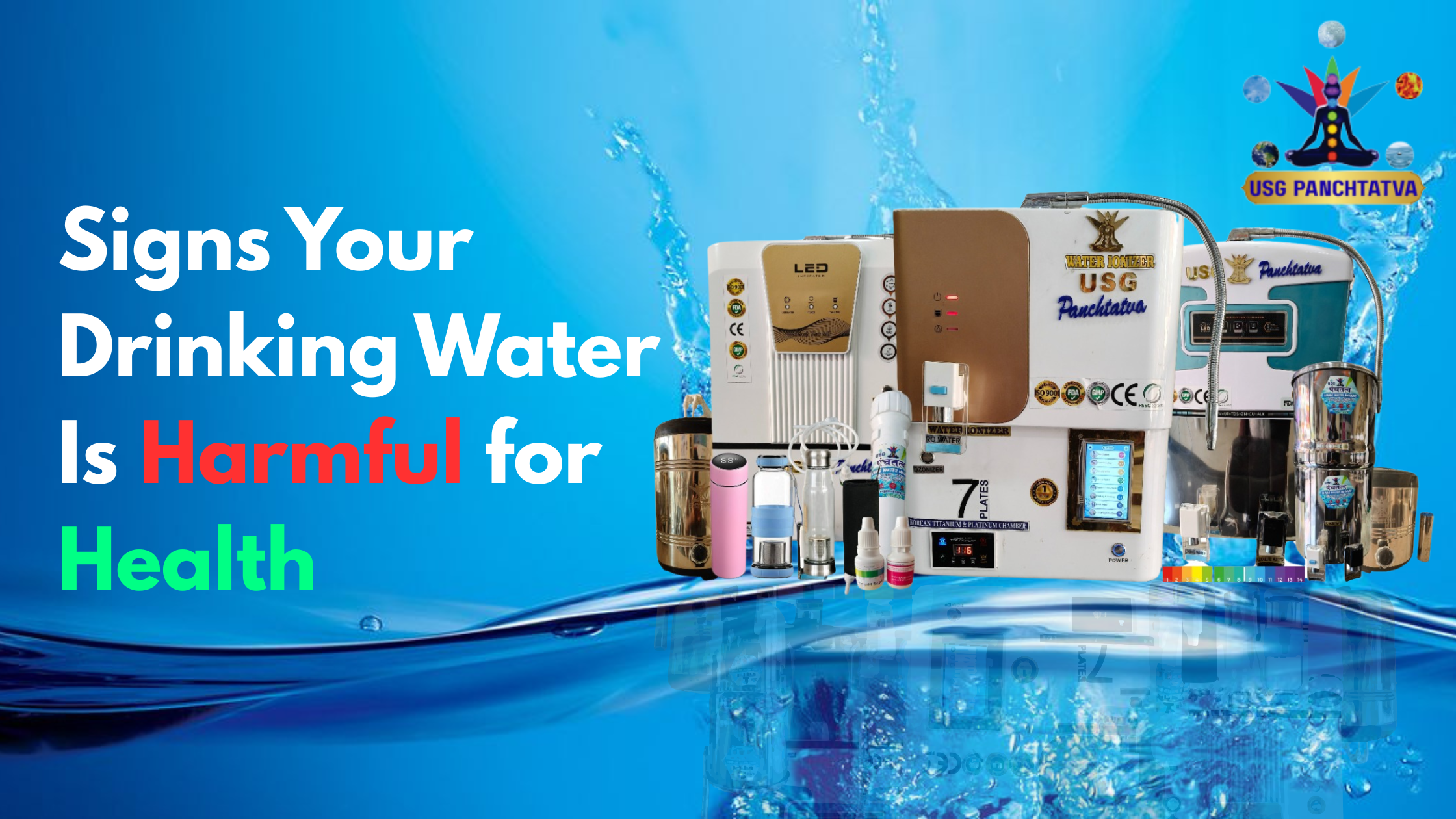
Signs Your Drinking Water Is Harmful for Health
Water is essential for life. Every cell in our body depends on clean and safe water to function properly. However, not all drinking water is safe. Contaminated or poor-quality water can cause various health problems ranging from digestive issues to serious diseases.
Many people drink unsafe water without realizing it because harmful contaminants are often invisible. Understanding the warning signs of harmful drinking water can help you protect your health and your family.
In this article, we will explore the major signs that your drinking water may be harmful to your health and what you should do if you notice these signs.
Why Safe Drinking Water Is Important
Clean drinking water supports many essential bodily functions such as:
Maintaining body temperature
Helping digestion
Carrying nutrients and oxygen
Removing toxins from the body
Supporting organ function
Unsafe water may contain harmful substances such as:
Bacteria
Viruses
Heavy metals
Chemicals
Pesticides
Drinking contaminated water regularly can lead to serious health risks.
1. Strange Taste in Water
One of the first signs of unsafe drinking water is a strange or unpleasant taste.
Different tastes may indicate different contaminants:
Metallic taste → Presence of iron or copper
Bitter taste → High mineral content
Chlorine taste → Excess chemical treatment
If your drinking water tastes unusual, it is a strong indication that it may not be safe.
2. Unusual Smell
Clean water should have no noticeable smell. If your water smells strange, it could indicate contamination.
Common smells include:
Rotten egg smell → Hydrogen sulfide gas
Chlorine smell → Excess chlorine used for treatment
Musty smell → Bacteria or algae growth
Bad odors in water should never be ignored.
3. Cloudy or Murky Appearance
Healthy drinking water should be clear and transparent.
If your water appears cloudy or dirty, it may contain:
Sediments
Microorganisms
Dissolved minerals
Cloudy water often indicates poor filtration or contamination.
4. Stains on Utensils and Fixtures
If you notice stains on sinks, glasses, or utensils, your water may contain excessive minerals.
Common stains include:
Brown stains → Iron contamination
Green stains → Copper contamination
White deposits → High calcium or magnesium levels
These minerals may affect both health and household appliances.
5. Skin Irritation or Dryness
Water quality can directly affect your skin.
If you experience:
Skin irritation
Dry skin after bathing
Hair damage
Scalp itching
your water may contain chemicals or excessive chlorine.
6. Frequent Digestive Problems
Unsafe drinking water can cause digestive issues such as:
Stomach pain
Diarrhea
Vomiting
Nausea
These symptoms often occur when water contains harmful bacteria or parasites.
Waterborne diseases are a major health risk in many regions.
7. Unusual Color in Water
Clean drinking water should be colorless.
If your water has color, it may indicate contamination:
Yellow water → Rust or iron particles
Brown water → Sediments or soil contamination
Green water → Algae growth
Colored water should never be consumed.
8. High TDS Levels
TDS (Total Dissolved Solids) measures the amount of dissolved substances in water.
TDS = \text{Total Dissolved Solids in Water}
High TDS levels may indicate the presence of:
Salts
Metals
Chemicals
Minerals
Excessively high TDS levels may affect taste and safety of water.
9. Frequent Illness in the Household
If several family members frequently experience:
stomach infections
fatigue
headaches
digestive issues
contaminated drinking water could be a hidden cause.
Poor water quality often leads to recurring health problems.
10. Limescale Buildup
White deposits on kettles, taps, or water heaters indicate hard water.
Hard water contains excessive minerals such as:
Calcium
Magnesium
Although not always dangerous, it may affect taste and long-term health.
How to Check If Your Drinking Water Is Safe
If you suspect that your water may be harmful, you can take the following steps:
1. Conduct a Water Test
Water testing kits can detect:
Bacteria
TDS levels
Heavy metals
Chemical contamination
2. Install a Water Purifier
Modern water purifiers remove harmful contaminants and provide safer drinking water.
3. Use Advanced Filtration Systems
Systems like RO, UV, and alkaline water ionizers help improve water quality.
Best Solution for Safe Drinking Water
One of the most effective ways to ensure safe drinking water is by using an advanced water purification system.
Modern purifiers can:
Remove bacteria and viruses
Reduce heavy metals
Improve water taste
Balance mineral content
Some advanced systems also produce alkaline and hydrogen-rich water, which may provide additional health benefits.
Tips to Ensure Safe Drinking Water
Follow these simple steps to maintain safe drinking water:
Always use filtered water
Clean water storage containers regularly
Replace water filters on time
Test water quality periodically
Avoid drinking water with unusual smell or color
Frequently Asked Questions (FAQs)
How do I know if my water is contaminated?
Signs include strange taste, bad smell, cloudy appearance, and frequent stomach problems.
Can contaminated water cause health problems?
Yes. Unsafe water can cause digestive diseases, infections, and long-term health issues.
What is the safest way to drink water?
Using a high-quality water purification system is the safest way to ensure clean drinking water.
Can boiling water remove contaminants?
Boiling kills bacteria but does not remove chemicals, heavy metals, or dissolved solids.
Conclusion
Clean drinking water is essential for maintaining good health. Unfortunately, many households unknowingly consume contaminated water.
By identifying warning signs such as unusual taste, smell, color, or frequent health issues, you can take steps to improve your water quality.
Testing your water and using advanced filtration systems can help ensure that you and your family always have access to safe and healthy drinking water.
Remember, investing in clean water is an investment in your long-term health.

