

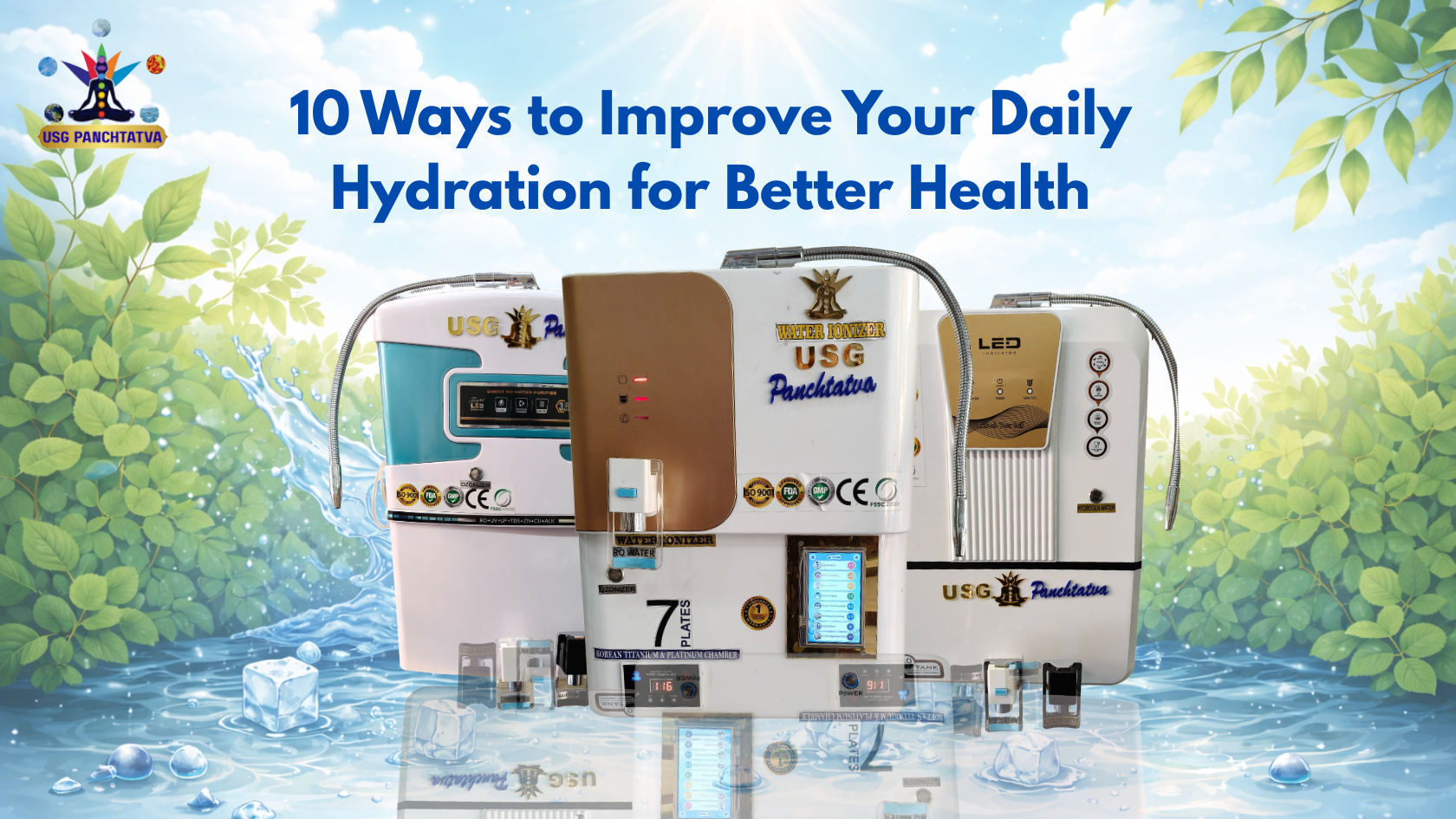
10 Ways to Improve Your Daily Hydration
Staying hydrated is one of the most important yet often overlooked aspects of maintaining good health. Water plays a vital role in almost every function of the body, from regulating temperature to supporting digestion and brain function.
Despite its importance, many people do not drink enough water daily. Poor hydration can lead to fatigue, headaches, low concentration, and long-term health issues.
Improving your daily hydration does not require drastic changes. Small, consistent habits can make a significant difference in your overall health and well-being.
In this guide, we will explore 10 effective ways to improve your daily hydration and maintain optimal health.
Why Daily Hydration is Important
Water is essential for:
Maintaining body temperature
Transporting nutrients
Supporting digestion
Removing toxins
Keeping skin healthy
Even mild dehydration can affect physical performance and mental clarity.
How Much Water Do You Really Need
The amount of water required varies based on age, activity level, and environment.
A general guideline:
Adults: 2 to 3 liters per day
Active individuals: More depending on activity
Children: 1.5 to 2 liters
Listening to your body and drinking water regularly is key.
1. Start Your Day with Water
Drinking water first thing in the morning helps rehydrate your body after hours of sleep.
Benefits include:
Activates metabolism
Flushes out toxins
Improves digestion
Make it a habit to drink a glass of water as soon as you wake up.
2. Carry a Water Bottle
Keeping a water bottle with you makes it easier to stay hydrated throughout the day.
It serves as a reminder and encourages regular water intake.
Choose a bottle that is convenient and easy to carry.
3. Set Hydration Reminders
Busy schedules often make people forget to drink water.
Using reminders or apps can help maintain consistent hydration.
Drinking small amounts at regular intervals is more effective than consuming large amounts at once.
4. Eat Water-Rich Foods
Hydration does not come only from drinking water. Many foods have high water content.
Examples include:
Fruits like watermelon and oranges
Vegetables like cucumber and lettuce
These foods contribute to overall hydration.
5. Drink Water Before Meals
Drinking water before meals helps:
Improve digestion
Prevent overeating
Maintain hydration
It is a simple habit that supports both hydration and weight management.
6. Replace Sugary Drinks with Water
Sugary beverages and soft drinks can lead to dehydration and health issues.
Switching to water helps:
Reduce calorie intake
Improve hydration
Support overall health
This change can have a significant impact on your daily hydration.
7. Monitor Your Urine Color
Urine color is a simple indicator of hydration.
Light yellow: Well hydrated
Dark yellow: Dehydrated
Paying attention to this can help you adjust your water intake.
8. Adjust Water Intake Based on Activity
Physical activity increases water loss through sweat.
To stay hydrated:
Drink water before exercise
Hydrate during workouts
Replenish fluids after activity
Proper hydration improves performance and recovery.
9. Maintain Balanced Minerals in Water
Water with essential minerals such as calcium, magnesium, and potassium supports better hydration.
These minerals help maintain electrolyte balance and improve body function.
Drinking mineral-balanced water is more beneficial than plain water in many cases.
10. Use High-Quality Drinking Water
The quality of water you drink is as important as the quantity.
Clean and purified water ensures:
Better absorption
Reduced risk of contaminants
Improved overall health
Using a reliable water purification system helps maintain safe drinking water.
Signs You Are Not Drinking Enough Water
Common signs of dehydration include:
Dry mouth
Headaches
Fatigue
Dizziness
Low concentration
Recognizing these signs early can help prevent health issues.
Benefits of Proper Hydration
Maintaining proper hydration provides several benefits.
Improved Energy Levels
Hydration supports oxygen flow and nutrient delivery, which improves energy.
Better Digestion
Water helps break down food and supports nutrient absorption.
Healthy Skin
Hydrated skin appears more radiant and less prone to dryness.
Improved Brain Function
Proper hydration enhances focus, memory, and mental clarity.
Detoxification
Water helps remove toxins from the body through urine and sweat.
Common Mistakes to Avoid
Many people make mistakes that affect hydration.
Drinking water only when thirsty
Consuming too much caffeine
Ignoring water intake during cold weather
Relying only on beverages instead of plain water
Avoiding these mistakes helps maintain consistent hydration.
Best Time to Drink Water
Drinking water at the right times improves its effectiveness.
Morning
Before meals
During exercise
After workouts
Before sleep (in moderate amount)
Hydration and Lifestyle
Lifestyle choices impact hydration levels.
Factors such as climate, diet, and physical activity influence how much water you need.
Maintaining a balanced lifestyle supports better hydration.
Frequently Asked Questions
How can I improve my daily hydration
Drink water regularly, eat water-rich foods, and maintain a routine.
Is drinking too much water harmful
Excessive water intake can affect electrolyte balance, so moderation is important.
What is the best drink for hydration
Clean, mineral-balanced water is the best option.
Can dehydration affect health
Yes, it can lead to fatigue, headaches, and reduced performance.
Conclusion
Improving your daily hydration is one of the simplest yet most effective ways to enhance your health. By following these 10 practical tips, you can ensure that your body stays properly hydrated and functions efficiently.
Consistency is key. Small daily habits such as drinking water regularly, choosing high-quality water, and maintaining a balanced diet can make a significant difference.
Hydration is not just about drinking water; it is about supporting your body for long-term health and well-being.

