

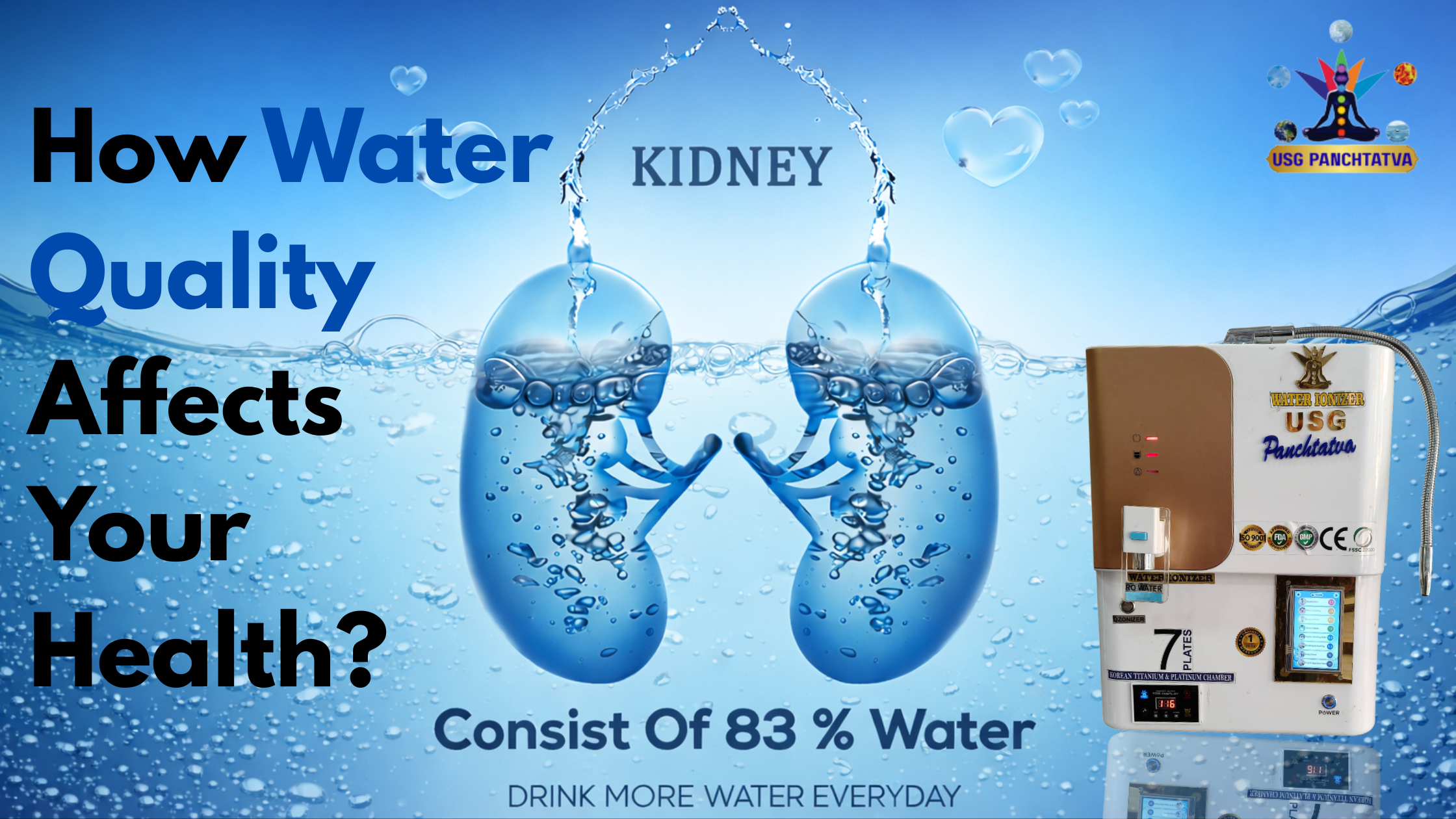
How Water Quality Affects Your Health
Water is one of the most essential elements for life. Every system in the human body depends on clean and safe drinking water to function properly. However, the quality of water you consume plays a crucial role in determining your overall health.
Poor water quality can lead to a wide range of health issues, from minor digestive problems to serious diseases. On the other hand, clean and mineral-rich water supports hydration, boosts immunity, and improves overall well-being.
In this article, we will explore how water quality affects your health, the risks of contaminated water, and the importance of drinking safe and purified water.
What Is Water Quality?
Water quality refers to the physical, chemical, and biological characteristics of water.
Good quality water should be:
Clean and clear
Free from harmful bacteria
Low in toxic chemicals
Balanced in essential minerals
Safe for drinking
Poor water quality may contain contaminants that can negatively impact health.
Common Contaminants Found in Drinking Water
Understanding what may be present in unsafe water helps identify potential health risks.
1. Bacteria and Viruses
Microorganisms like E. coli and viruses can cause serious infections.
2. Heavy Metals
Metals such as lead, arsenic, and mercury can be harmful even in small amounts.
3. Chemicals and Pesticides
Industrial waste and agricultural runoff introduce harmful chemicals into water.
4. Excess Minerals
High levels of calcium and magnesium can cause hard water.
5. Chlorine and Disinfection Byproducts
Used for purification but may have long-term effects if present in excess.
Health Effects of Poor Water Quality
Drinking contaminated or poor-quality water can lead to several health issues.
1. Digestive Problems
Unsafe water often contains bacteria and parasites that can cause:
Diarrhea
Vomiting
Stomach pain
Nausea
Waterborne diseases are one of the most common effects of contaminated water.
2. Weakened Immune System
Continuous consumption of poor-quality water can weaken the immune system.
This makes the body more vulnerable to:
Infections
Viruses
Chronic illnesses
Clean water plays an important role in maintaining a strong immune system.
3. Skin and Hair Problems
Water quality directly affects skin and hair.
Hard or contaminated water may cause:
Dry skin
Skin irritation
Hair fall
Dull hair
Chemicals in water may damage the skin barrier.
4. Long-Term Health Risks
Certain contaminants can lead to serious long-term health problems.
Examples include:
Lead → Nervous system damage
Arsenic → Cancer risk
Mercury → Brain damage
These effects may not be visible immediately but can develop over time.
5. Poor Hydration
Even if you drink enough water, poor-quality water may not hydrate your body properly.
Clean and mineral-balanced water supports better hydration and energy levels.
Benefits of Clean Drinking Water
Drinking high-quality water has multiple health benefits.
1. Improves Digestion
Clean water supports proper digestion and helps break down food efficiently.
2. Boosts Immunity
Safe drinking water reduces the risk of infections and supports immune health.
3. Enhances Energy Levels
Proper hydration improves circulation and oxygen delivery, increasing energy.
4. Supports Detoxification
Water helps remove toxins from the body through urine and sweat.
5. Promotes Healthy Skin
Clean water helps maintain skin hydration and improves overall appearance.
Role of pH and Minerals in Water Quality
Water quality is not just about purity; it also includes mineral content and pH balance.
genui{"math_block_widget_always_prefetch_v2": {"content": "0 \leq pH \leq 14"}}
Neutral water → pH 7
Slightly alkaline water → pH 8–9
Balanced pH water may help maintain overall health.
Essential minerals such as:
Calcium
Magnesium
Potassium
support body functions and hydration.
How to Check Your Water Quality
To ensure your water is safe, you can take the following steps:
1. Use Water Testing Kits
Test for bacteria, TDS, and chemicals.
2. Observe Physical Signs
Check for unusual taste, smell, or color.
3. Check TDS Levels
High TDS may indicate contamination.
Solutions to Improve Water Quality
Improving water quality is essential for better health.
1. Use Water Purifiers
Modern purifiers remove:
Bacteria
Viruses
Heavy metals
Chemicals
2. Advanced Filtration Systems
Technologies like:
RO (Reverse Osmosis)
UV (Ultraviolet)
UF (Ultrafiltration)
help ensure safe drinking water.
3. Alkaline Water Systems
Advanced systems not only purify water but also:
Balance pH
Add essential minerals
Improve hydration
These systems are becoming popular for health-conscious users.
Tips for Maintaining Safe Drinking Water
Always drink filtered water
Clean storage containers regularly
Replace filters on time
Avoid storing water for long periods
Test water periodically
Frequently Asked Questions (FAQs)
How does water quality affect health?
Poor water quality can cause digestive issues, infections, and long-term health problems.
What are the signs of bad water quality?
Unusual taste, smell, color, and frequent illness are common signs.
Is purified water better than tap water?
Yes, purified water removes harmful contaminants and is safer for drinking.
What is the ideal water quality for drinking?
Clean, mineral-balanced, and properly filtered water is ideal.
Conclusion
Water quality has a direct impact on your health and well-being. Drinking contaminated water can lead to serious health issues, while clean and safe water supports hydration, digestion, immunity, and overall wellness.
Investing in good water quality is one of the most important steps you can take for your long-term health. Ensuring that your drinking water is clean, safe, and properly filtered can make a significant difference in your daily life.

