Introduction
Water is essential for life, but have you ever wondered what makes water truly “healthy”? One of the most important factors that determines water quality is its pH level.
The pH level of drinking water plays a crucial role in maintaining your body’s internal balance, improving hydration, and supporting overall health. Whether your water is too acidic or too alkaline, it can impact everything from digestion to energy levels.
In this blog, we will explore the role of pH level in drinking water, its effects on the human body, and how to ensure you’re consuming water with the ideal pH.
What is pH Level?
The term pH (Potential of Hydrogen) measures how acidic or alkaline a substance is on a scale from 0 to 14.
\text{pH Scale: } 0 \ (\text{Acidic}) \rightarrow 7 \ (\text{Neutral}) \rightarrow 14 \ (\text{Alkaline})
pH < 7 → Acidic
pH = 7 → Neutral (pure water)
pH > 7 → Alkaline
Why pH Level in Drinking Water Matters
The human body maintains a slightly alkaline pH (around 7.35–7.45). Drinking water with the right pH helps support this balance.
Key Benefits of Proper pH Water
Improves hydration
Supports digestion
Helps maintain acid-base balance
Boosts energy levels
Enhances nutrient absorption
Ideal pH Level for Drinking Water
According to health standards:
Safe Range: 6.5 – 8.5
Ideal Range: 7 – 8
Water within this range is considered safe and beneficial for daily consumption.
Effects of Acidic Water (Low pH)
Water with a pH below 6.5 is considered acidic.
Problems with Acidic Water
May cause stomach irritation
Can lead to acid reflux
Corrodes pipes, adding harmful metals
May weaken bones over time
Common Causes
Industrial pollution
Chemical contamination
Acid rain
Effects of Alkaline Water (High pH)
Water with a pH above 7 is alkaline.
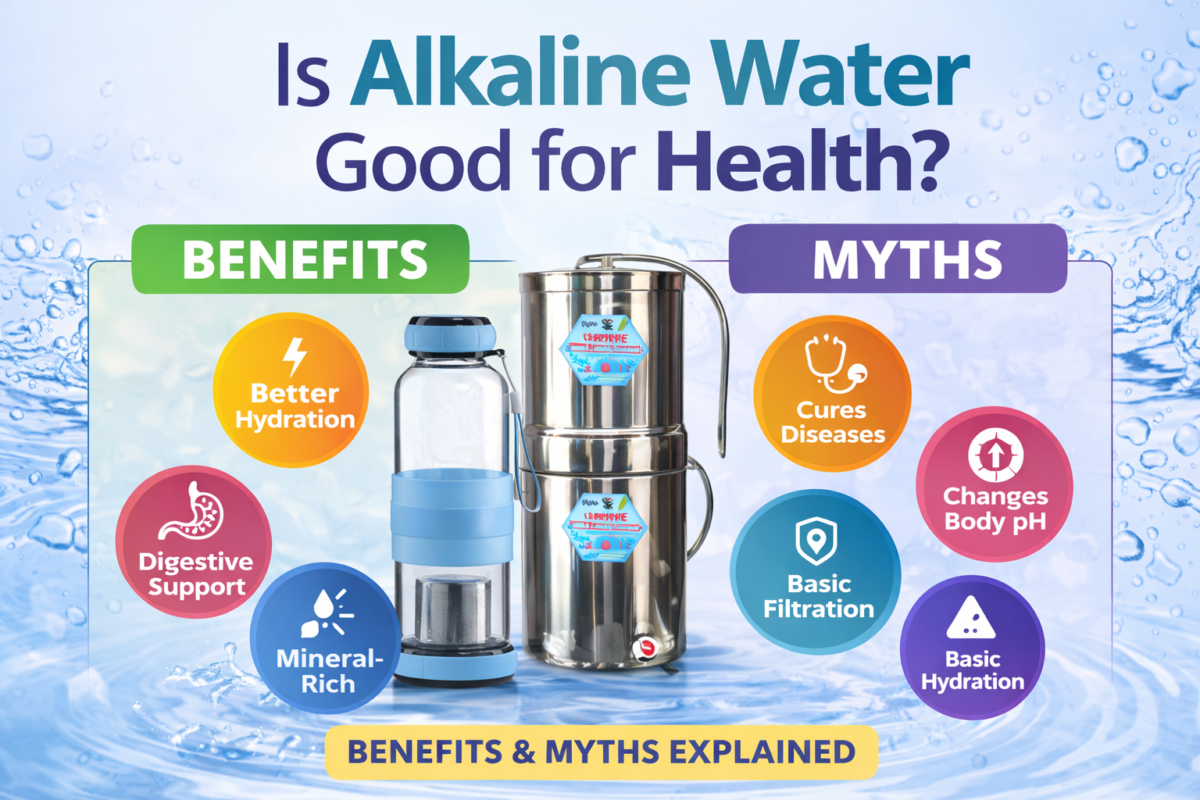
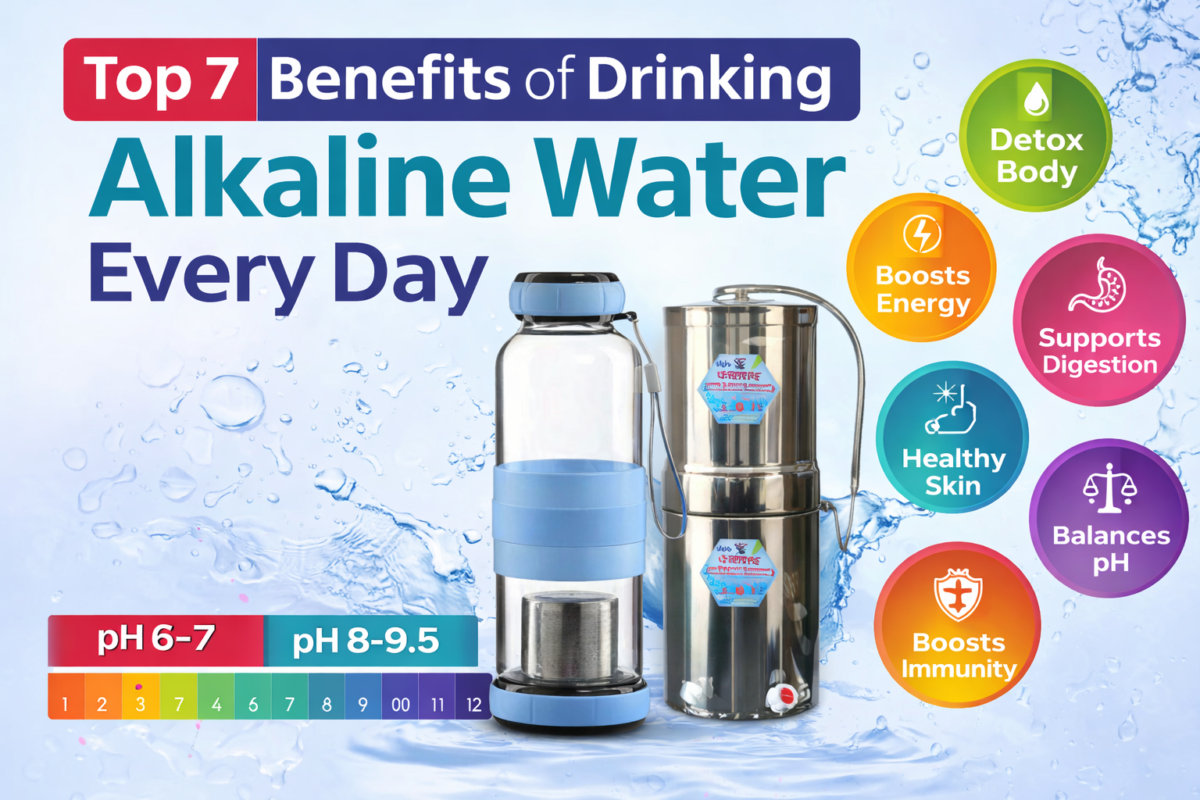
Benefits of Alkaline Water
Helps neutralize body acidity
Improves hydration efficiency
Supports detoxification
May enhance energy levels
But Be Careful
Excessively high pH (above 9.5) may:
Cause digestive issues
Affect natural stomach acidity
pH Level and Hydration
Hydration is not just about drinking water—it’s about how well your body absorbs it.
Alkaline water is believed to:
Absorb faster into cells
Improve electrolyte balance
Reduce dehydration symptoms
This is why athletes often prefer slightly alkaline water.
pH Level and Body Health
1. Digestion
Balanced pH water supports stomach function and prevents acidity.
2. Bone Health
Highly acidic water may contribute to mineral loss from bones.
3. Immunity
Proper pH balance helps maintain a strong immune system.
4. Detoxification
Alkaline water may help flush out toxins more effectively.
How to Check the pH Level of Water
You can easily test your water at home using:
pH test strips
Digital pH meters
Water testing kits
These tools provide quick and accurate results.
How to Improve Water pH Naturally
If your water’s pH is not ideal, you can improve it using:
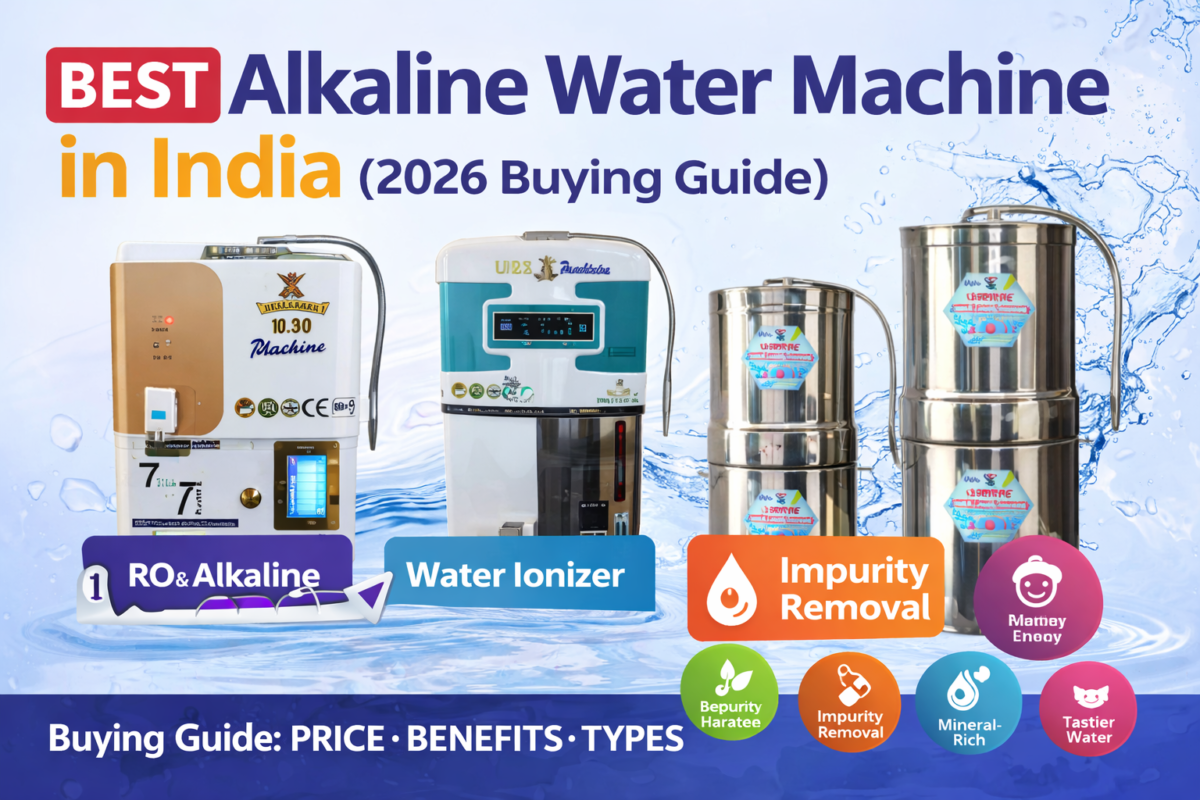
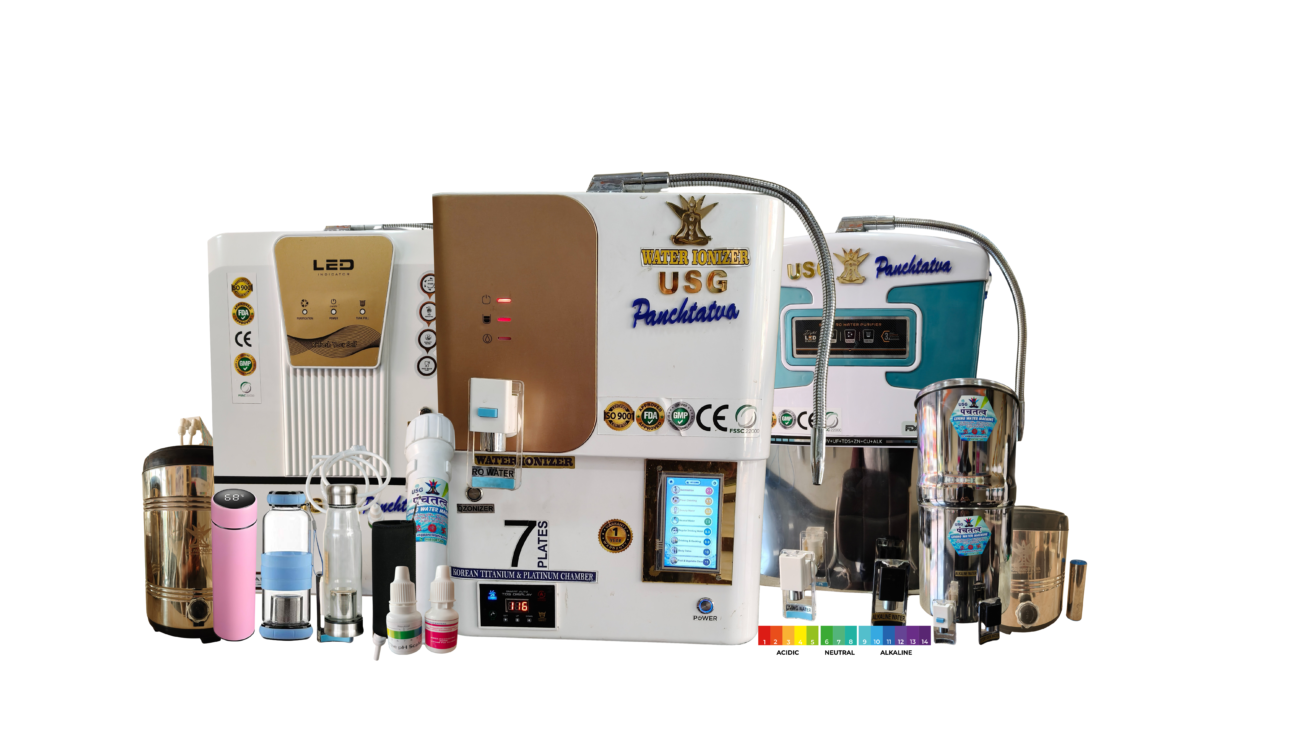
1. Alkaline Water Machines
Increase pH level
Add beneficial minerals
2. Mineral Cartridges
Restore essential minerals
Balance pH naturally
3. Natural Methods
Add lemon (balances pH after digestion)
Add baking soda (in small amounts)
pH vs TDS: What’s the Difference?
Many people confuse pH with TDS (Total Dissolved Solids).
| Factor | pH | TDS |
|---|---|---|
| Meaning | Acidity/Alkalinity | Mineral content |
| Scale | 0–14 | ppm |
| Importance | Balance | Nutrition |
Both are important for healthy drinking water.
Myths About pH in Drinking Water
Myth 1: Higher pH is always better
Reality: Extremely alkaline water can be harmful.
Myth 2: RO water is always healthy
Reality: It may lack minerals and proper pH balance.
Myth 3: Lemon water is acidic
Reality: It becomes alkaline after digestion.
Signs Your Water pH is Not Ideal
Metallic taste
Bitter or sour flavor
Stomach discomfort
Dry skin or hair
Best Water for Daily Drinking
The best drinking water should have:
pH between 7–8
Essential minerals (calcium, magnesium)
Clean and contaminant-free
Conclusion
The pH level of drinking water is a critical factor that directly impacts your health. While clean water is important, balanced pH water is essential for proper hydration and body function.
Drinking water within the ideal pH range ensures that your body stays energized, balanced, and healthy. Whether you choose natural mineral water or use a water ionizer, always aim for safe and balanced pH levels.
FAQs
Q1. What is the ideal pH for drinking water?
7 to 8 is considered ideal.
Q2. Is alkaline water better than normal water?
Slightly alkaline water can offer added benefits, but balance is key.
Q3. Can low pH water harm health?
Yes, it may cause acidity and long-term health issues.
Q4. How can I test water pH at home?
Using pH strips or digital meters.