

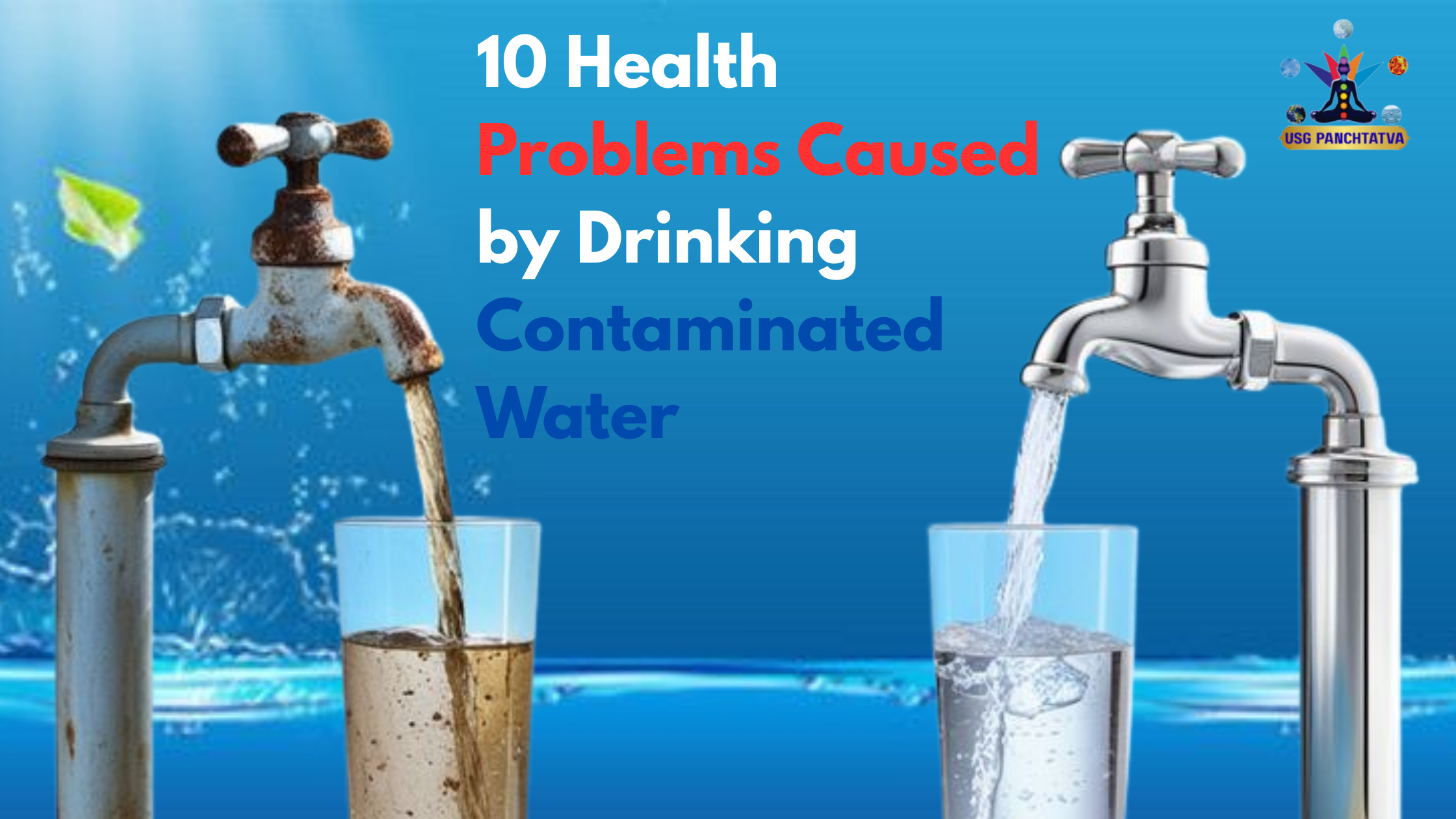
10 Health Problems Caused by Drinking Contaminated Water
Water is essential for life, but when it is contaminated, it becomes a serious threat to human health. Many people believe that clear-looking water is safe to drink, but harmful microorganisms and chemicals are often invisible to the naked eye. Drinking contaminated water can lead to severe short-term and long-term health problems, especially in areas where water purification systems are not properly maintained.
In this blog, we will explore the major health problems caused by contaminated water, their effects on the body, and why access to clean drinking water is crucial for a healthy life.
What is Contaminated Water?
Contaminated water is water that contains harmful substances such as bacteria, viruses, parasites, chemicals, heavy metals, and toxins. These contaminants can enter water sources through sewage leakage, industrial waste, agricultural runoff, and improper waste disposal.
Common sources of contaminated water include:
Unclean drinking water sources
Polluted rivers and lakes
Poor sanitation systems
Untreated groundwater
Even a small amount of contamination can cause serious health issues, especially in children, elderly individuals, and people with weak immune systems.
1. Diarrhea
Diarrhea is one of the most common illnesses caused by contaminated water. It occurs when harmful bacteria, viruses, or parasites enter the digestive system.
Symptoms include:
Frequent loose stools
Dehydration
Weakness and fatigue
Severe diarrhea can be life-threatening if not treated properly, especially in children. It is one of the leading causes of death in developing countries.
2. Cholera
Cholera is a serious bacterial infection caused by Vibrio cholerae. It spreads through contaminated water and food.
Symptoms:
Severe watery diarrhea
Vomiting
Rapid dehydration
Cholera can become fatal within hours if untreated. It is commonly found in areas with poor sanitation and unsafe drinking water.
3. Typhoid Fever
Typhoid fever is caused by Salmonella typhi bacteria, which spreads through contaminated water and food.
Symptoms:
High fever
Headache
Weakness
Abdominal pain
If left untreated, typhoid can lead to severe complications such as intestinal damage.
4. Dysentery
Dysentery is an infection that causes inflammation of the intestines, particularly the colon. It is commonly caused by bacteria or parasites in contaminated water.
Symptoms:
Bloody diarrhea
Stomach cramps
Fever
It can lead to severe dehydration and requires immediate medical attention.
5. Hepatitis A
Hepatitis A is a viral infection that affects the liver and spreads through contaminated water.
Symptoms:
Yellowing of skin and eyes (jaundice)
Fatigue
Nausea
Loss of appetite
Although it is usually not fatal, it can cause serious liver problems and long recovery periods.
6. Gastroenteritis
Gastroenteritis, also known as stomach flu, is caused by viruses, bacteria, or parasites present in contaminated water.
Symptoms:
Vomiting
Diarrhea
Stomach pain
Fever
It can quickly lead to dehydration, especially in children and elderly individuals.
7. Skin Infections
Using contaminated water for bathing or washing can lead to skin infections.
Common problems:
Rashes
Itching
Fungal infections
Chemicals and bacteria in polluted water can damage the skin and cause long-term irritation.
8. Fluorosis
Fluorosis is caused by excessive fluoride in drinking water. It mainly affects teeth and bones.
Types:
Dental fluorosis (discoloration of teeth)
Skeletal fluorosis (joint pain and stiffness)
Long-term consumption of high-fluoride water can lead to serious bone deformities.
9. Arsenic Poisoning
Arsenic contamination in groundwater is a major issue in many regions. Long-term exposure can be extremely dangerous.
Symptoms:
Skin discoloration
Numbness in hands and feet
Increased risk of cancer
Arsenic poisoning develops slowly but can have severe long-term effects.
10. Kidney Damage
Contaminated water containing heavy metals like lead, mercury, and cadmium can damage the kidneys over time.
Effects:
Reduced kidney function
Toxic buildup in the body
Chronic health problems
Long-term exposure can even lead to kidney failure.
Why Contaminated Water is Dangerous
Contaminated water is dangerous because:
It carries invisible pathogens
It spreads diseases quickly
It affects multiple organs in the body
It weakens the immune system
People who drink unsafe water regularly are at higher risk of developing chronic illnesses.
Who is Most at Risk?
Certain groups are more vulnerable to waterborne diseases:
Children
Pregnant women
Elderly individuals
People with weak immunity
These groups require extra care and access to clean drinking water.
How to Prevent Health Problems from Contaminated Water
Preventing waterborne diseases is possible by taking simple precautions:
1. Drink Safe and Filtered Water
Always use purified or boiled water for drinking.
2. Maintain Hygiene
Wash hands regularly and maintain proper sanitation.
3. Use Water Purifiers
Install RO, UV, or other filtration systems at home.
4. Avoid Open Water Sources
Do not drink water directly from rivers, lakes, or unknown sources.
5. Proper Storage
Store drinking water in clean and covered containers.
Importance of Clean Drinking Water
Clean drinking water is essential for:
Maintaining overall health
Preventing diseases
Supporting digestion and metabolism
Improving quality of life
Access to safe water is not just a necessity—it is a basic human right.
Conclusion
Drinking contaminated water can lead to serious health problems ranging from mild infections to life-threatening diseases. Many of these issues can be prevented by ensuring access to clean and safe drinking water.
It is important to stay aware of water quality, use proper filtration methods, and maintain hygiene practices. By taking these steps, you can protect yourself and your family from the harmful effects of contaminated water.
Safe water means a healthy life—so never compromise on the quality of the water you drink.

